Introduction
Managing cloud costs is crucial for businesses striving to maintain financial efficiency while harnessing the power of cloud computing. As cloud environments grow more complex, uncontrolled expenses can quickly spiral out of control, impacting overall profitability. Therefore, cloud cost management becomes essential in ensuring that resources are utilized effectively without unnecessary expenditure.
Open source tools for cloud cost optimization offer a compelling solution. These tools empower organizations with transparency and flexibility, allowing for tailored approaches to cost management. Unlike proprietary solutions, open source options provide a collaborative platform where innovations and improvements are continually being made by a global community of developers.
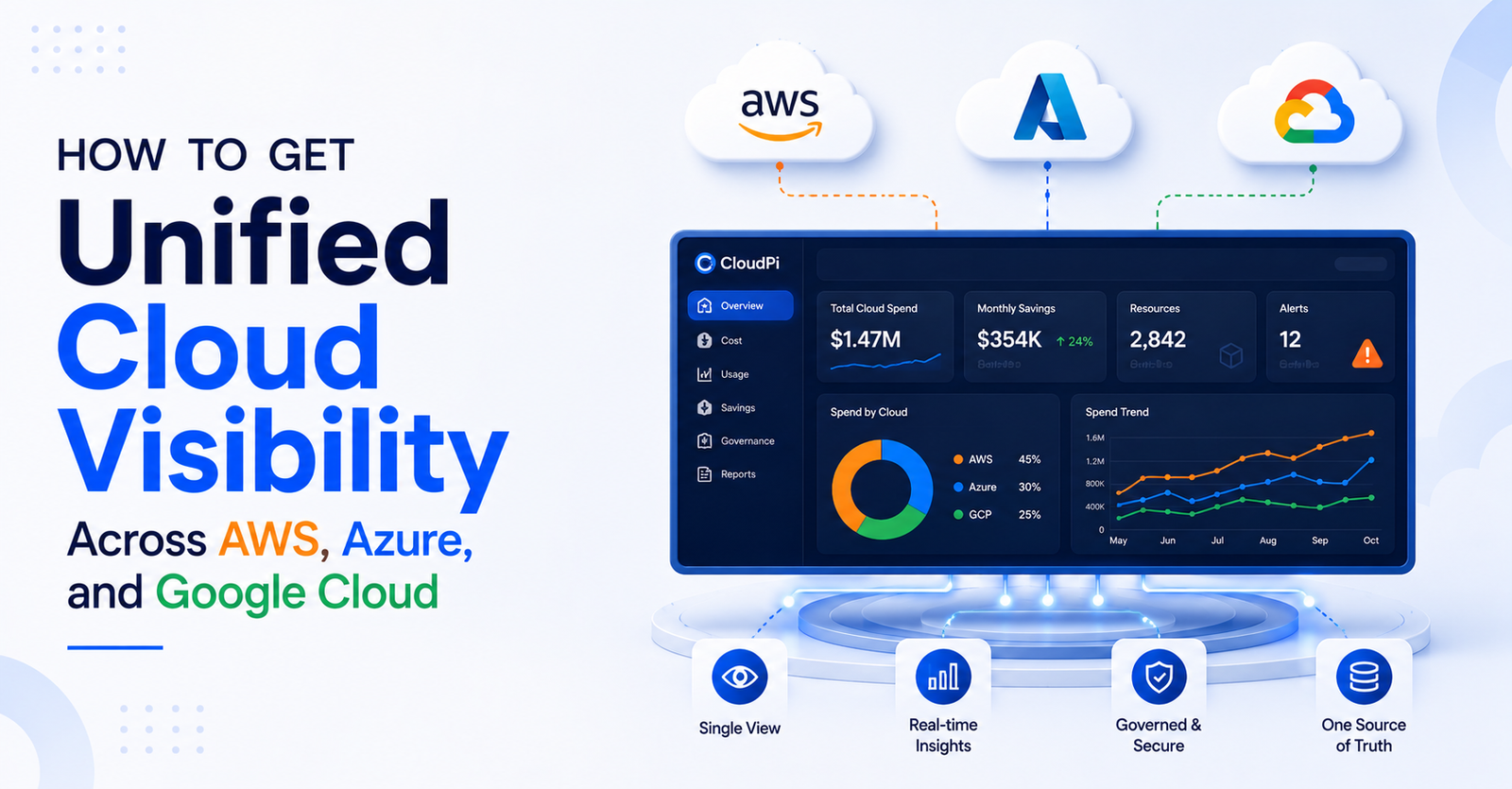
CloudPi, known as a leading cloud cost and governance platform, exemplifies how both open source and proprietary solutions can work in tandem to deliver comprehensive FinOps capabilities. Exploring these tools enables businesses to not only manage but optimize their cloud expenses efficiently. For instance, how to reduce Amazon S3 costs by minimizing GET requests is just one example of the practical advice available through such platforms.
Furthermore, the integration of cloud automation and cloud analytics into these cost management strategies can significantly enhance efficiency and decision-making processes.
Understanding Cloud Cost Optimization
Cloud cost optimization is the strategic process of managing and minimizing cloud expenditure while maximizing resource efficiency. This practice ensures that organizations get the most value from their cloud investments by aligning usage with business goals and budgets.
A key aspect of this optimization is the implementation of FinOps, or Financial Operations. This represents a cultural shift that blends financial accountability with agile engineering and DevOps practices. Leveraging FinOps for Maximum Cloud Efficiency with CloudPi promotes collaboration between teams to gain visibility into spending and enforce best practices for cost-effective cloud usage.
Implementing effective cost management strategies is crucial for any organization relying on cloud services. These strategies often involve:
- Regular monitoring of resource utilization
- Using automation to optimize workloads
- Establishing budgeting and forecasting processes
A robust cloud cost optimization platform can assist in these efforts by providing comprehensive tools and insights. Such platforms often feature dashboards, alerts, and analytics that help identify areas for improvement. Incorporating cloud FinOps principles further enhances these efforts by fostering a culture of shared responsibility across teams.
According to Gartner reports, organizations embracing these strategies and tools are better positioned to control costs, reduce waste, and drive innovation without financial overspend. Implementing these practices not only leads to immediate savings but also supports long-term growth and sustainability in a dynamic digital landscape.
As organizations navigate through the complexities of cloud migration, having a well-defined strategy for cloud cost optimization becomes even more critical. The insights provided by experts like Harsha Purple can offer valuable guidance in crafting such strategies.
Top Open Source Tools for Cloud Cost Management
1. OpenCost
OpenCost is a powerful tool for optimizing cloud costs with its ability to allocate costs in real time. This open source solution allows organizations to gain precise insights into their cloud infrastructure expenses, enabling effective budget management.
Key Features:
- Real-Time Measurement: OpenCost excels in measuring and allocating costs in real time. This feature allows you to gain instant visibility into where your money is going, which is crucial for making timely decisions.
- Comprehensive Cost Allocation: With OpenCost, every penny spent on cloud resources is tracked and allocated appropriately, giving you a detailed understanding of expenditure patterns across different departments or projects.
Integration with Major Cloud Providers
OpenCost integrates seamlessly with major cloud providers such as AWS, Azure, and GCP. This compatibility ensures that no matter which platform you use, OpenCost can provide accurate cost visualization and management. By leveraging its integration capabilities:
- AWS Resource Utilization: You can monitor AWS resource utilization closely to prevent unnecessary spending.
- Cross-Platform Support: Whether you’re using Azure or Google Cloud Platform (GCP), OpenCost’s integration facilitates efficient tracking of costs across multiple environments.
This open source tool empowers organizations to implement effective cloud cost optimization strategies by providing transparency and control over their cloud expenditures. The ability to connect with various platforms makes it a versatile choice for businesses aiming for comprehensive cloud financial management. Additionally, it offers valuable insights into cloud resource allocation, further enhancing its utility in managing cloud costs effectively.
2. Komiser
Komiser is a powerful open source tool designed specifically for AWS users who want to manage their cloud costs effectively. It provides a complete view of your AWS infrastructure, giving you valuable information about how resources are being used and where costs are trending. With this knowledge, you can make better decisions about how to spend on the cloud.
Key Features
Here are some of the key features that make Komiser stand out:
- Resource Utilization Insights: Gain a clear understanding of how your AWS resources are being utilized. This feature helps in pinpointing underused or idle resources that could be optimized or decommissioned.
- Cost Trend Analysis: Visualize your spending patterns over time to detect inefficiencies or unexpected spikes in costs. This empowers organizations to address issues promptly, ensuring budget adherence.
- Rightsizing Recommendations: Komiser offers strategic recommendations for rightsizing instances. By suggesting optimal resource configurations, it aids in optimizing spending without compromising performance.
Integration with Other Tools
Komiser works well with other cloud cost optimization tools like OpenCost, OptScale, and Cloud Custodian. This means you can use it alongside these tools for a more comprehensive approach to managing your cloud expenses.
For more insights on cloud cost management and other related topics, feel free to explore our blog which offers a wealth of information and updates from Cloudpi.
3. OptScale
OptScale is a comprehensive FinOps platform designed for effective cloud cost management. This open-source tool excels in providing real-time cost allocation across diverse cloud infrastructure environments, offering detailed insights into AWS resource utilization and other major cloud providers.
Key Features of OptScale
- Cost Optimization through Machine Learning: OptScale uses advanced machine learning algorithms to optimize costs by analyzing workloads and identifying potential savings.
- Cost Visualization: The platform facilitates cost visualization, enabling organizations to understand expenditure patterns and make informed decisions regarding resource allocation.
- Streamlined Operations: By employing an intelligent approach to cost management, OptScale aids in streamlining operations and maximizing financial efficiency.
OptScale is part of a robust suite of cloud cost optimization tools that includes OpenCost, Komiser, and Cloud Custodian. Each of these tools offers unique capabilities catering to different aspects of cloud expense management, contributing to a well-rounded strategy for organizations aiming to optimize their cloud investments effectively.
4. Cloud Custodian
Cloud Custodian stands out among open-source cloud cost optimization tools by offering a policy-driven approach to managing cloud infrastructure. This tool excels in helping organizations optimize their AWS resource utilization through automated policies, ensuring that resources are used efficiently and costs are minimized.
Key Features of Cloud Custodian:
- Policy-Driven Management: Cloud Custodian allows you to define rules and policies for your cloud resources, such as shutting down idle instances or enforcing tagging compliance. These policies enable you to manage resources effectively, reducing unnecessary expenditure.
- Automation Capabilities: With automation at its core, Cloud Custodian can execute tasks without manual intervention. It can automatically shut down unused resources, enforce encryption standards, or clean up old snapshots, contributing significantly to real-time cost allocation and optimization.
By integrating Cloud Custodian into your cloud strategy, you gain a powerful ally in the quest for efficient cloud cost management. This tool complements others discussed in this article—such as OpenCost, Komiser, and OptScale—offering diverse strategies for tackling cloud expenses. To further understand the various aspects of cloud costs, including how tools like Cloud Custodian can help mitigate them, it’s beneficial to explore more about AWS and its reliable, scalable, and inexpensive cloud computing services.
5. AWS Billing Dashboard & Cost Explorer
The AWS Billing Dashboard offers a comprehensive overview of your cloud expenses, enabling you to gain valuable insights into spending patterns over time. This tool provides detailed visibility into your cloud infrastructure costs, allowing you to track AWS resource utilization and monitor real-time cost allocation across different services.
However, managing cloud billing can often be complex, especially when dealing with multiple providers. This is where CloudPi comes in handy, simplifying the billing process for AWS, Azure, and GCP with automated cost tracking and a unified dashboard.
The AWS Cost Explorer enhances the capability of the billing dashboard by offering advanced forecasting tools and usage analysis functionalities. Organizations can leverage these features to predict future expenditures based on historical data, facilitating better budget control and financial planning. The platform’s intuitive cost visualization aids in identifying trends and potential areas for cost savings.
By incorporating machine learning expenditure management, users benefit from precise insights that can inform strategic decisions about rightsizing resources and optimizing cloud costs. While AWS Billing Dashboard & Cost Explorer are proprietary solutions, they complement open-source tools like OpenCost, Komiser, OptScale, and Cloud Custodian discussed previously, providing a robust framework for comprehensive cloud cost optimization.
Furthermore, as we navigate the multi-digital landscape, understanding cloud billing becomes increasingly important. Embracing tools like CloudPi not only simplifies this process but also optimizes usage for better savings.
Limitations and Considerations when Using Open Source Tools
When using open source cloud cost management tools, you may face some integration challenges. These tools can have trouble connecting smoothly with proprietary solutions, which can make it difficult to get a complete view of your cloud expenses. It’s important to assess whether your current systems can work well with open source options to avoid any disruptions in your FinOps strategies.
Data Granularity Limitations
The data granularity limitations of open source tools are another important factor to consider. While these solutions offer cost-effective alternatives, the level of detail provided can often be less comprehensive compared to proprietary tools. Proprietary solutions tend to provide more granular data insights, allowing for deeper analysis and more precise cost allocation. Open source tools might not always meet the same depth of data granularity required for intricate financial operations.
Understanding these potential limitations helps in making informed decisions when integrating open source tools into your cloud management strategy. Balancing these challenges with the benefits of open source flexibility and cost-efficiency is key to optimizing your cloud expenditure effectively.
However, it’s important to note that open source tools can also present cost-saving opportunities if used correctly. They offer a level of flexibility that proprietary solutions may not provide, allowing businesses to tailor their cloud cost management strategies according to their specific needs.
Moreover, seeking expert consulting services can further enhance the effectiveness of these open-source tools. Such consultations can provide valuable insights into how to best leverage these tools for optimal results.
As we navigate through this digital tech world, it’s essential to continuously secure our digital assets. This includes ensuring that our open-source cloud cost management tools are properly integrated and secured within our existing systems.
Additionally, as we look towards the future, it’s crucial to remain adaptable and ready to navigate the future of design in cloud management. This adaptability will be key in successfully implementing and managing open-source solutions while reaping their associated benefits.
Conclusion
Using both open source and proprietary solutions can greatly improve your strategies for managing cloud costs. Open source tools such as OpenCost, Komiser, OptScale, and Cloud Custodian offer flexibility and innovation, while comprehensive platforms like CloudPi provide a complete solution. By combining these tools, you can create a strong approach to optimizing your cloud expenses.
Check out the recommended tools to gain insights into cost trends and resource usage. Discover how CloudPi can efficiently streamline your operations by delivering FinOps as a service. By using a combination of available solutions, you can enhance efficiency and maintain control over your cloud spending.
Moreover, it’s essential to grasp the intricacies of API integration for further optimization of your cloud resources. Whether it involves adjusting the size of your cloud resources or overseeing costs across multiple clouds, our platform provides valuable insights and solutions to support you on this journey.